All services
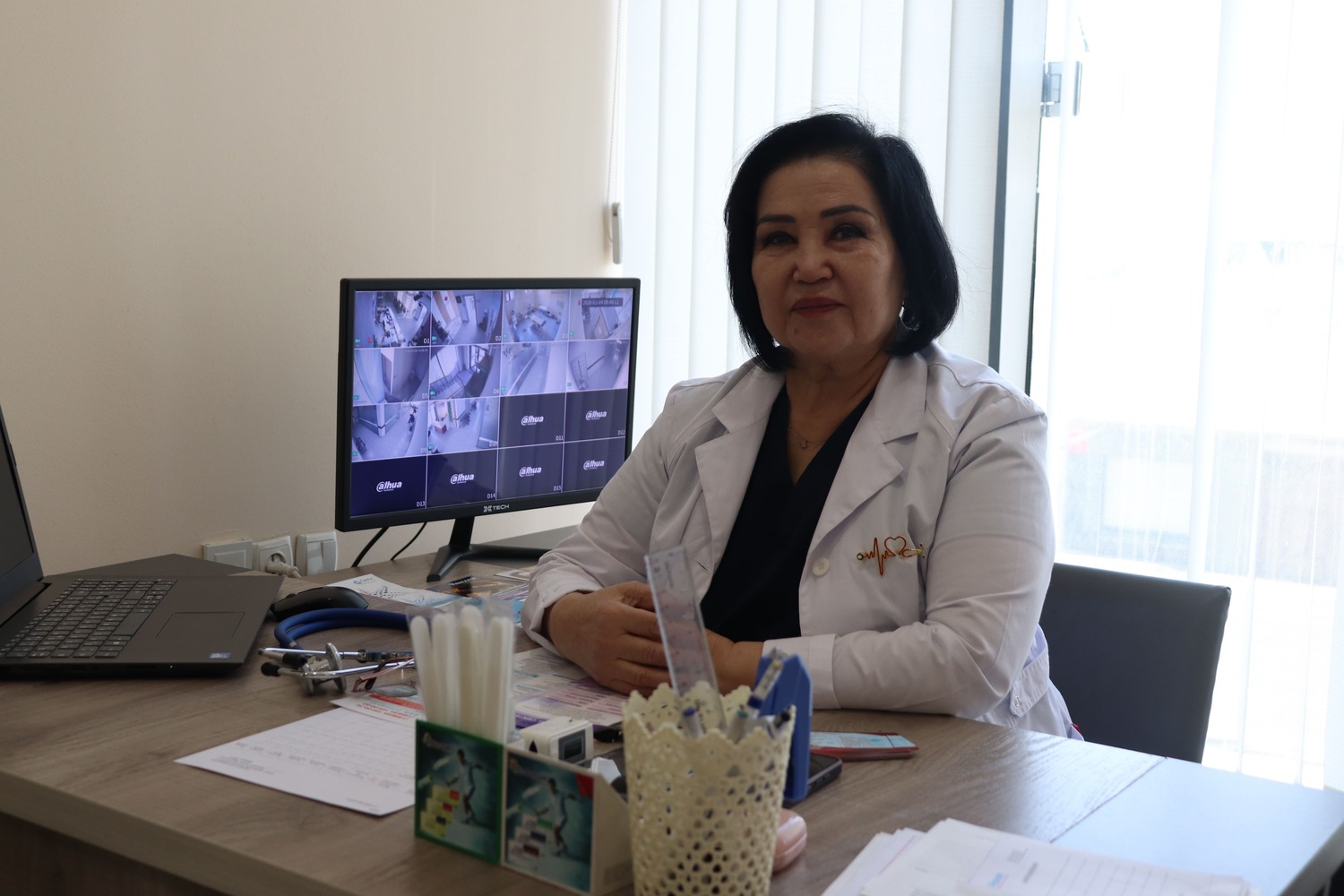
Cardiologist consultation in Tashkent
A cardiologist diagnoses and treats diseases of the heart and blood vessels: high blood pressure, coronary heart disease, rhythm disorders and heart failure. Early diagnosis significantly lowers the risk of heart attack and stroke.
- First and follow-up visits
- Tests in the same building
- Advance booking
- Duration20–40 minutes
- PreparationBring previous test results and reports
- BookingBy phone or online
- OutcomeDiagnosis and treatment plan
Signs that you need a cardiologist
Heart disease often develops gradually and the first symptoms are easy to ignore. A cardiology assessment is needed if you have:
- blood pressure above 140/90 mmHg
- squeezing or pressing chest pain
- a fast or irregular heartbeat, or a feeling that the heart “skips”
- breathlessness on stairs or when walking
- swollen ankles in the evening
- early heart attacks or strokes in the family
The visit and tests
The doctor measures your blood pressure, listens to the heart and lungs and assesses risk factors. An ECG, 24-hour Holter monitoring, an echocardiogram and blood tests for cholesterol and other markers may be ordered. Based on the results, medicines and lifestyle changes are recommended, and follow-up visits check that blood pressure and other targets are being reached.
What happens during the visit
The doctor starts by listening to your complaints: when the symptoms began, what makes them better or worse and how they were treated before. You will also be asked about chronic conditions, current medicines, allergies and family history — this information often shapes the diagnosis.
After the examination the doctor gives a preliminary opinion. If more detail is needed, tests are ordered. At Doctor Hasan Medical Center ultrasound, the laboratory, ECG and EEG are in the same building, so most tests can be done on the same day and you can return to the doctor with the results.
- taking the history of your complaints
- physical examination and measurements
- planning any tests that are needed
- diagnosis, treatment and follow-up advice
First and follow-up consultations
A first consultation is your initial meeting with the doctor. The problem is reviewed in depth, tests are ordered and treatment is started, so this visit usually takes a little longer.
A follow-up consultation takes place once test results are ready or during a course of treatment. The doctor explains the results, checks how well the treatment is working and adjusts medicines or doses if necessary. Coming back at the recommended time helps secure a lasting result.
How to prepare for your visit
A little preparation saves time and helps the doctor reach a clearer conclusion:
- bring previous test results, ultrasound reports and discharge summaries
- write down the names and doses of your medicines
- note when and in what situations your symptoms appear
- prepare a list of questions for the doctor
- if blood tests are likely, it is best to come on an empty stomach
📖 Related article: Hypertension: How to Control Blood Pressure
Frequently asked questions
What should I do before seeing a cardiologist?
Do I need a referral?
Can I have tests on the same day?
When should I come for a follow-up visit?
Doctors who provide this service

Choose a convenient time or call us — our administrator will answer all your questions.
Other services in this area
- Urologist-andrologist consultation
- Urological surgeon consultation
- Gynaecologist consultation
- Neurologist consultation
- Paediatric neurologist consultation
- Neurophysiologist consultation
- Physician-cardiologist consultation
- Paediatric cardiologist consultation
- ENT specialist consultation
- Endocrinologist consultation
- Paediatrician consultation
- Neonatologist consultation
- General physician consultation
- Family doctor (GP) consultation
- All clinic services →
Important: the information on this page is for general guidance and does not replace an examination by a doctor. A specialist decides whether a test or treatment is needed.
📞 +998 95 146 00 72 · +998 95 146 00 72
✉️
🌐 Instagram · Telegram · Facebook · YouTube · TikTok