


Useful articles
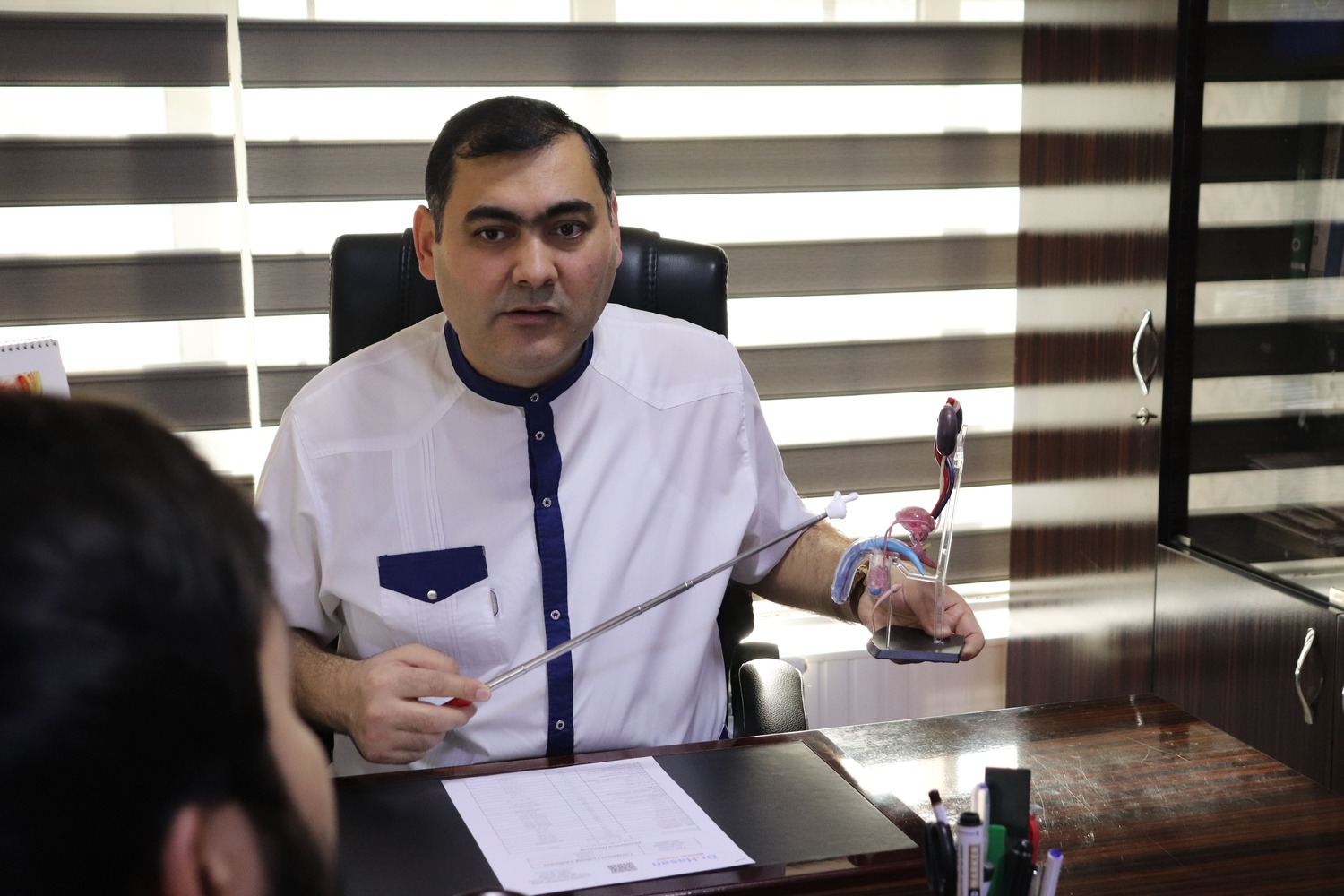
What Should You Do If Pregnancy Does Not Occur Within a Year?
Many couples who are planning to have a child expect pregnancy to occur within a relatively short period of time. However, in some cases, conception does not happen despite regular unprotected intercourse. If pregnancy has not occurred after one year of trying, it may be time to consult a specialist and undergo a comprehensive fertility evaluation.
At Doctor Hasan Medical Center, modern diagnostic methods and advanced reproductive medicine approaches are used to identify and treat infertility.
When Should You See a Doctor?
Specialists recommend consulting a reproductive health expert in the following situations:
-
Pregnancy has not occurred after 12 months of regular unprotected intercourse for women under 35 years of age;
-
Pregnancy has not occurred after 6 months for women over 35 years of age;
-
Irregular menstrual cycles are present;
-
There is a history of reproductive health disorders;
-
Abnormal semen analysis results have been identified in the male partner.
Early medical evaluation increases the chances of identifying the cause and beginning effective treatment as soon as possible.
Causes of Infertility
Infertility may be related to female factors, male factors, or a combination of both.
Common causes in women include:
-
Ovulation disorders;
-
Polycystic ovary syndrome (PCOS);
-
Endometriosis;
-
Blocked fallopian tubes;
-
Hormonal imbalances;
-
Uterine abnormalities.
Common causes in men include:
-
Low sperm count;
-
Reduced sperm motility;
-
Varicocele;
-
Hormonal disorders;
-
Inflammatory diseases of the reproductive system.
In some cases, the exact cause of infertility may remain unexplained despite thorough evaluation.
What Tests May Be Required?
At Doctor Hasan Medical Center, infertility assessment is performed comprehensively for both partners.
For women:
-
Gynecological consultation;
-
Pelvic ultrasound examination;
-
Hormonal testing;
-
Ovulation assessment;
-
Evaluation of fallopian tube patency;
-
Hysteroscopy or laparoscopy when necessary.
For men:
-
Consultation with a urologist or andrologist;
-
Semen analysis (spermogram);
-
Hormonal testing;
-
Scrotal ultrasound examination;
-
Additional laboratory tests if required.
The Importance of Lifestyle
Lifestyle factors can significantly influence fertility. To support reproductive health, specialists recommend:
-
Following a healthy and balanced diet;
-
Maintaining a healthy body weight;
-
Quitting smoking;
-
Limiting alcohol consumption;
-
Engaging in regular physical activity;
-
Managing stress effectively;
-
Getting sufficient sleep and rest.
Can Infertility Be Treated?
Thanks to advances in reproductive medicine, many forms of infertility can now be treated successfully.
Treatment options may include:
-
Medication therapy;
-
Hormonal treatment;
-
Surgical procedures;
-
Ovulation stimulation;
-
Assisted reproductive technologies;
-
Artificial insemination and other fertility treatments.
The treatment plan is always tailored to the individual needs of each couple based on diagnostic findings.
Why Choose Doctor Hasan Medical Center?
Doctor Hasan Medical Center offers a multidisciplinary approach to infertility diagnosis and treatment. Experienced reproductive specialists, gynecologists, andrologists, and other healthcare professionals work together to provide comprehensive care.
Modern diagnostic equipment, personalized treatment plans, and evidence-based medical practices help maximize the chances of achieving a successful pregnancy.
If pregnancy has not occurred within a year, it is important not to delay seeking professional help. Early diagnosis and timely treatment can significantly improve the chances of becoming parents.