All services
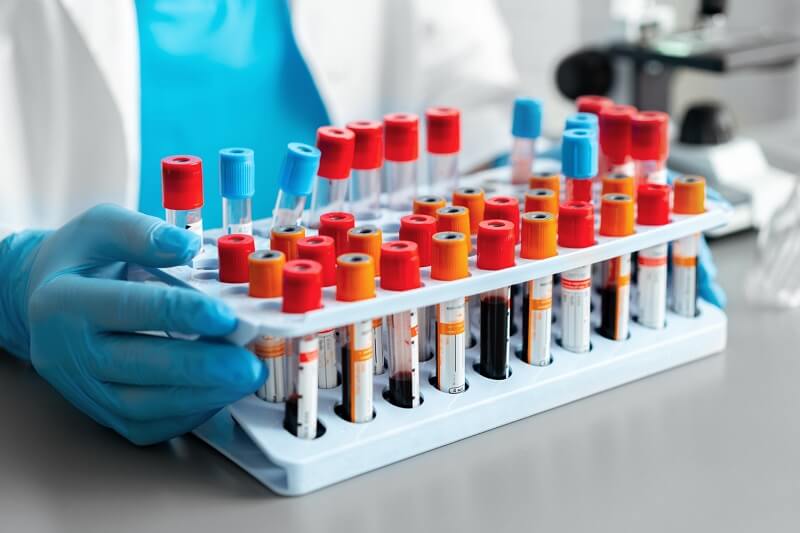
Blood allergen panel (20 allergens) in Tashkent
The allergen panel measures specific IgE antibodies in the blood to 20 common allergens. Unlike skin prick tests, it requires no direct contact with the allergen and is safe at any age.
- Venous blood
- Immunological test
- No referral needed
- SampleVenous blood
- PreparationMorning, 4–8 hours fasting
- MethodImmunological
- ResultsDepends on the test
How an allergen panel helps
Allergy is an excessive reaction to harmless substances such as pollen, house dust and mites, pet dander and foods. A runny nose and sneezing, itchy eyes, rashes, eczema, tummy pain after eating and asthma attacks can all be signs of allergy. The panel shows which allergens you are sensitised to, so contact with them can be reduced.
Antihistamines do not affect the blood test, so there is no need to stop them — a major advantage over skin tests. A positive result does not always mean clinical allergy: sensitisation is compared with symptoms. An allergist, paediatrician or ENT specialist interprets the result.
- seasonal or year-round runny nose and sneezing
- skin rashes and atopic eczema
- reactions after certain foods
- asthma and coughing attacks
- finding the cause of allergy in children
Features of immunological tests
The immune system protects the body from infections, but sometimes it starts producing antibodies against the body’s own cells and tissues — this is how autoimmune diseases develop. Immunological tests detect these antibodies, measure immunoglobulins and assess the immune response, helping with diagnosis and monitoring treatment.
Autoimmune markers often appear before symptoms, but low levels can also be found in healthy people. The result is therefore interpreted only alongside clinical signs by a rheumatologist, gynaecologist or other specialist, and sometimes the test is repeated after a few weeks.
Preparing for the test
For a reliable result, follow these recommendations:
- give blood in the morning, 4–8 hours after your last meal
- avoid alcohol and heavy exercise the day before
- tell the doctor about hormonal, immunosuppressive or blood-thinning medicines
- during an acute infection, discuss with the doctor whether to postpone the test
How to understand the result
The report shows a reference range (normal range) next to each value. It can differ between laboratories, test methods, ages and sexes, so comparing your result with another laboratory’s range can be misleading.
A slight deviation in one value is not always a sign of disease: it may depend on diet, medicines, exercise or the time the sample was taken. The final conclusion is made by a doctor, taking into account your symptoms, examination and other tests.
The laboratory at Doctor Hasan Medical Center
Samples are taken in the clinic itself, and you can see a doctor in the same building about the result:
- tests can be done without a referral
- single-use sterile supplies are used
- consultation with a physician, gynaecologist, urologist, endocrinologist or paediatrician about the result
- please check the turnaround time with the administrator
📖 Related article: Allergic Rhinitis (Hay Fever): Symptoms, Causes and Treatment
Frequently asked questions
Does a positive autoimmune test always mean disease?
Do I need a doctor’s referral?
When will the result be ready?
Doctors who provide this service




Choose a convenient time or call us — our administrator will answer all your questions.
Other services in this area
- Overall immunity (cellular and humoral) — immunogram
- Immunoglobulin A (IgA)
- Immunoglobulin G (IgG)
- All clinic services →
Important: the information on this page is for general guidance and does not replace an examination by a doctor. A specialist decides whether a test or treatment is needed.
📞 +998 95 146 00 72 · +998 95 146 00 72
✉️
🌐 Instagram · Telegram · Facebook · YouTube · TikTok