All services
Antisperm antibody test (ASAT) in Tashkent
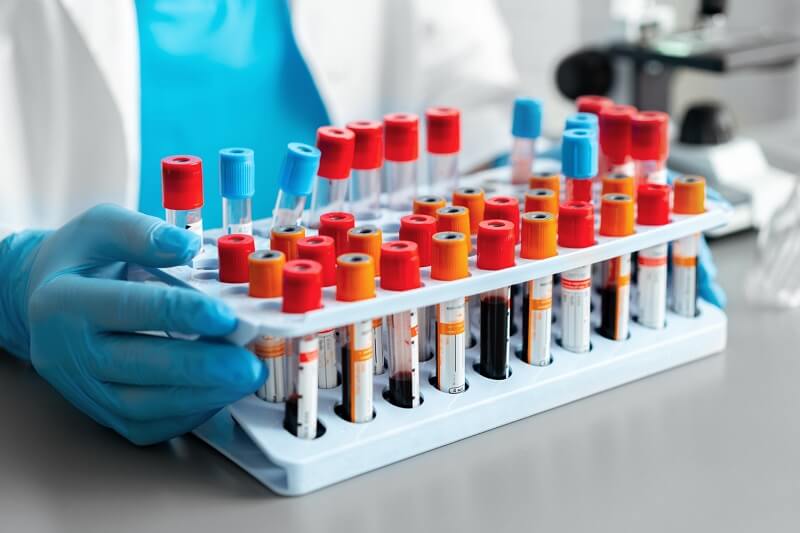
The ASAT test detects antibodies against sperm in blood serum or other body fluids. They can form in either the man or the woman and cause immunological infertility.
- Male and couple infertility
- Special preparation
- No referral needed
- SampleSemen, secretion or urine
- Preparation2–5 days of abstinence
- PainNone
- ResultsDepends on the test
Who needs the ASAT test
In men, antisperm antibodies can appear after scrotal injury, inflammation or surgery. In women, antibodies against the partner’s sperm can form in cervical mucus and blood, preventing sperm from passing through the cervix. In both cases an immunological factor is considered when the couple’s tests are normal but pregnancy does not occur.
The ASAT result is assessed together with the MAR test, semen analysis and postcoital test. An immunological factor influences treatment, including the choice of assisted reproduction method. The test is ordered by a urologist-andrologist or fertility gynaecologist.
- couple infertility of unknown cause
- normal semen analysis without pregnancy
- a negative postcoital test
- scrotal injury or inflammation in the man
- after unsuccessful IVF
Preparing for andrology tests
Semen and prostate fluid are very sensitive to lifestyle, so preparation determines the quality of the result:
- avoid sex and ejaculation for 2–5 days before the test (follow the period your doctor advises)
- during this time avoid alcohol, saunas, hot baths and heavy exercise
- wait at least 2 weeks after a fever or acute illness
- if you have taken antibiotics, test 2 weeks after finishing the course
- the sample is collected in a sterile container in a private room at the clinic
Investigating infertility in a couple
If pregnancy has not occurred after a year of regular intercourse, both partners should be tested — a male factor is involved in about half of cases. Male investigations start with a semen analysis, with immunological tests, prostate fluid and hormones added if needed.
A urologist-andrologist assesses the results together with the woman’s gynaecological findings. Many male factors respond well to treatment, so testing should not be delayed.
How to understand the result
The report shows a reference range (normal range) next to each value. It can differ between laboratories, test methods, ages and sexes, so comparing your result with another laboratory’s range can be misleading.
A slight deviation in one value is not always a sign of disease: it may depend on diet, medicines, exercise or the time the sample was taken. The final conclusion is made by a doctor, taking into account your symptoms, examination and other tests.
The laboratory at Doctor Hasan Medical Center
Samples are taken in the clinic itself, and you can see a doctor in the same building about the result:
- tests can be done without a referral
- single-use sterile supplies are used
- consultation with a physician, gynaecologist, urologist, endocrinologist or paediatrician about the result
- please check the turnaround time with the administrator
📖 Related article: Male infertility: causes and modern treatment
Frequently asked questions
Why does the abstinence period matter?
Do I need a doctor’s referral?
When will the result be ready?
Doctors who provide this service



Choose a convenient time or call us — our administrator will answer all your questions.
Other services in this area
- MAR test (IgG and IgA antibodies on sperm)
- Sims–Huhner test (postcoital test)
- Post-ejaculatory urine analysis (retrograde ejaculation)
- Prostate fluid (prostatic secretion) analysis
- All clinic services →
Important: the information on this page is for general guidance and does not replace an examination by a doctor. A specialist decides whether a test or treatment is needed.
📞 +998 95 146 00 72 · +998 95 146 00 72
✉️
🌐 Instagram · Telegram · Facebook · YouTube · TikTok