All services
Epstein–Barr virus IgG antibodies in Tashkent
Epstein–Barr virus (EBV) causes infectious mononucleosis (glandular fever). IgG antibodies form after exposure to the virus, reflect past infection and, together with other markers, help determine the stage of illness.
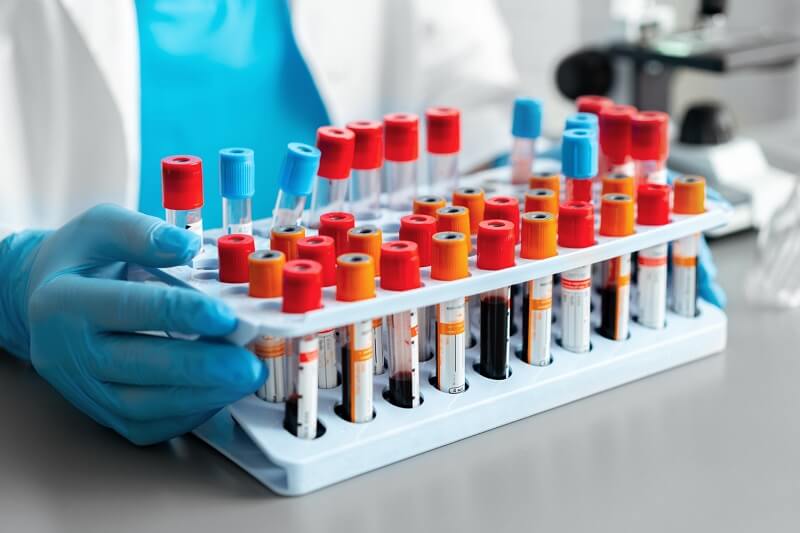
- Venous blood
- Antibodies and antigens
- No referral needed
- SampleVenous blood
- PreparationAt least 4 hours after eating
- Best timeMorning preferred
- ResultsDepends on the test
How EBV antibodies are interpreted
Epstein–Barr virus spreads through saliva, and most people meet it in childhood or adolescence. The illness is often mild, but glandular fever brings prolonged fever, sore throat, swollen neck glands and spleen, and marked tiredness.
IgG antibodies target different antigens: IgG to the capsid antigen (VCA IgG) appears during the illness, while IgG to the nuclear antigen (EBNA IgG) forms later and indicates past infection. The doctor assesses the result with IgM and other markers to decide whether the infection is recent or old. Because of the risk of splenic rupture, sport is avoided for a month after glandular fever.
- prolonged fever and sore throat
- swollen neck lymph nodes
- an enlarged spleen
- unexplained long-lasting tiredness
- atypical mononuclear cells in the blood count
What IgM, IgG and IgA antibodies mean
In response to infection the body produces antibodies — immunoglobulins. IgM usually appears in the first weeks of illness and points to a recent (acute) infection. IgG forms later and lasts a long time, sometimes for life, reflecting a past infection or immunity after vaccination. IgA helps protect mucous membranes and in some infections reflects an active process.
A single antibody result does not always give the full answer: early in an illness antibodies may not yet have formed, and IgG may reflect an infection many years ago. The doctor therefore interprets the result together with symptoms and, if needed, a repeat test after 2–3 weeks or PCR.
Preparing for the test
Strict fasting is not required for antibody tests, but for sample quality it is advisable to:
- wait at least 4 hours after your last meal and avoid fatty food
- avoid smoking and alcohol before the test
- tell the doctor if you are taking antibiotics or antiviral drugs
- bring previous results for comparison
How to understand the result
The report shows a reference range (normal range) next to each value. It can differ between laboratories, test methods, ages and sexes, so comparing your result with another laboratory’s range can be misleading.
A slight deviation in one value is not always a sign of disease: it may depend on diet, medicines, exercise or the time the sample was taken. The final conclusion is made by a doctor, taking into account your symptoms, examination and other tests.
The laboratory at Doctor Hasan Medical Center
Samples are taken in the clinic itself, and you can see a doctor in the same building about the result:
- tests can be done without a referral
- single-use sterile supplies are used
- consultation with a physician, gynaecologist, urologist, endocrinologist or paediatrician about the result
- please check the turnaround time with the administrator
📖 Related article: Swollen Lymph Nodes: When It Is Normal and When to Investigate
Frequently asked questions
Does a positive result always mean disease?
Do I need a doctor’s referral?
When will the result be ready?
Doctors who provide this service


Choose a convenient time or call us — our administrator will answer all your questions.
Other services in this area
- Herpes simplex virus type I/II IgA antibodies
- Rubella PCR test
- Candida IgG antibodies
- Candida IgM antibodies
- Wassermann reaction (RW, syphilis screening)
- Febrile antigens test
- Antistreptolysin O (ASO)
- All clinic services →
Important: the information on this page is for general guidance and does not replace an examination by a doctor. A specialist decides whether a test or treatment is needed.
📞 +998 95 146 00 72 · +998 95 146 00 72
✉️
🌐 Instagram · Telegram · Facebook · YouTube · TikTok