All services
Skin scraping for fungus (smooth skin) in Tashkent
A scraping from a skin patch is examined under a microscope for fungal threads and spores. The test helps tell whether scaly, itchy patches are caused by fungus or another skin condition.
- Scraping or sticky tape
- Painless
- No referral needed
- SampleScraping
- PreparationDepends on sample type
- PainNone
- ResultsDepends on the test
Telling skin fungus from other conditions
A ring-shaped red patch with scaling and itching is typical of fungal infection — ringworm, pityriasis versicolor or candidiasis. However, eczema, psoriasis and seborrhoeic dermatitis can look similar. The wrong steroid cream makes a fungal infection worse, so finding the cause matters.
The scraping is taken from the edge of the patch, where it meets healthy skin — this is where the fungus is most active. Do not apply creams or ointments for 2–3 days beforehand, and do not wash the area with soap on the day. Based on the result, the dermatologist chooses topical or oral treatment.
- scaly ring-shaped patches
- itchy, red skin
- patches of changed colour (pityriasis versicolor)
- redness and moistness in skin folds
- no improvement with creams
Preparing for the sample
The result of scraping microscopy depends on how the sample is taken:
- for nail fungus: 2 weeks without antifungal lacquers or creams; do not cut nails or apply polish for 1–2 days
- for skin fungus: no creams or ointments on the patch for 2–3 days, and do not wash the area with soap on the day
- for pinworms: in the morning straight after waking, before washing or using the toilet
- tell the doctor about any medicines you take
How the test is done
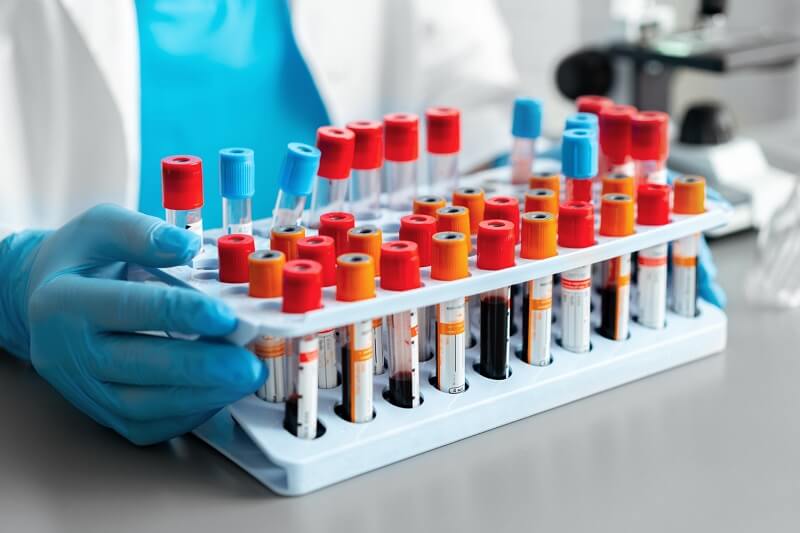
The sample is taken painlessly with a sterile instrument: nail clippings and debris beneath the nail, a scaly patch of skin, or an imprint from the skin folds around the anus on sticky tape. In the laboratory the sample is treated with a special solution and examined under a microscope for fungal threads, spores or worm eggs.
A negative result does not always mean there is no disease — fungus or eggs may not be captured in the sample. If symptoms persist, the doctor will recommend repeating the test.
How to understand the result
The report shows a reference range (normal range) next to each value. It can differ between laboratories, test methods, ages and sexes, so comparing your result with another laboratory’s range can be misleading.
A slight deviation in one value is not always a sign of disease: it may depend on diet, medicines, exercise or the time the sample was taken. The final conclusion is made by a doctor, taking into account your symptoms, examination and other tests.
The laboratory at Doctor Hasan Medical Center
Samples are taken in the clinic itself, and you can see a doctor in the same building about the result:
- tests can be done without a referral
- single-use sterile supplies are used
- consultation with a physician, gynaecologist, urologist, endocrinologist or paediatrician about the result
- please check the turnaround time with the administrator
Frequently asked questions
Why is the test sometimes repeated?
Do I need a doctor’s referral?
When will the result be ready?
Doctors who provide this service


Choose a convenient time or call us — our administrator will answer all your questions.
Other services in this area
Important: the information on this page is for general guidance and does not replace an examination by a doctor. A specialist decides whether a test or treatment is needed.
📞 +998 95 146 00 72 · +998 95 146 00 72
✉️
🌐 Instagram · Telegram · Facebook · YouTube · TikTok