All services
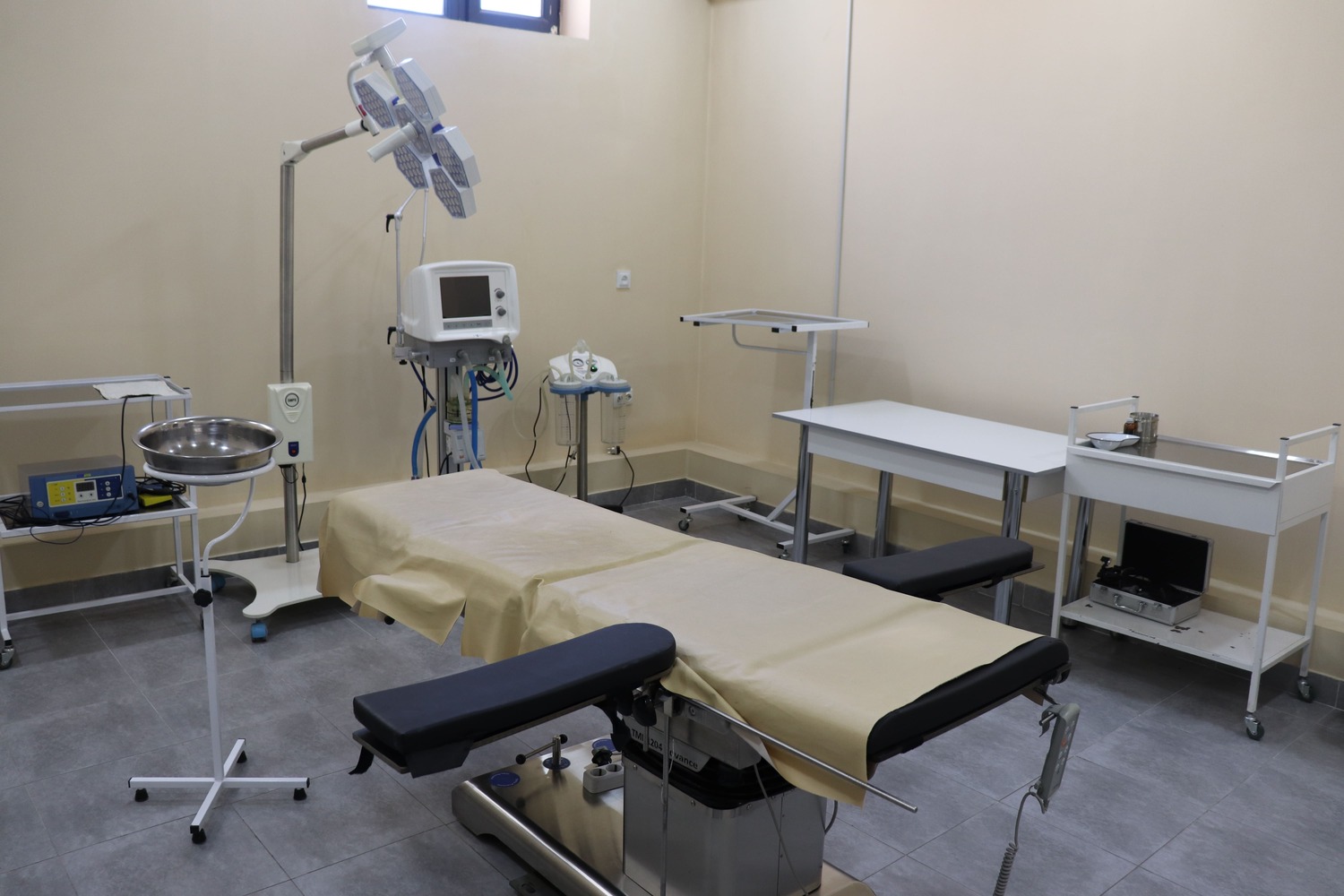
Ultrasound of two paired joints in Tashkent
The same joint on both sides — both knees, shoulders, ankles or elbows — is scanned in one session. It allows changes to be compared and shows whether the process is symmetrical in arthritis, osteoarthritis and two-sided symptoms.
- No preparation
- Dynamic assessment
- No radiation
- Duration15–20 minutes
- PreparationNone required
- PainNone
- ResultsImmediately after the scan
Why both joints are scanned together
Many joint diseases — rheumatoid arthritis, gout and osteoarthritis — affect both sides at once. Comparing the joints shows the doctor where the process is more active and any difference in synovitis or fluid. This also matters when monitoring treatment.
With a one-sided injury, the healthy joint serves as a reference: comparing tendon thickness and structure with the individual norm helps pick up small changes more accurately. The pair of joints is chosen according to your symptoms and the doctor’s referral.
- pain and swelling in joints on both sides
- monitoring rheumatoid arthritis and gout
- assessing two-sided changes in osteoarthritis
- comparison with the healthy joint after a one-sided injury
- tracking the effect of treatment over time
What joint ultrasound shows
X-rays show bones well but not soft tissues. Ultrasound assesses exactly the structures that move and stabilise a joint — tendons, ligaments, muscles, the synovial lining, bursae and joint fluid. It also lets the joint be watched in motion, during bending and rotation.
The scan is used for sports injuries, tendon inflammation (tendinitis), bursitis, joint effusions and signs of arthritis. Deep internal structures, such as the cruciate ligaments or inner parts of the meniscus in the knee, are better seen on MRI, so the doctor sometimes recommends both.
How the scan is done
No preparation is needed — just wear clothing that exposes the joint easily. The doctor examines the joint from several sides and may ask you to bend or turn it. The other joint may also be scanned for comparison.
- bring previous X-rays and MRI results
- remember when and how the injury happened
- tell the doctor which movement makes the pain worse
Advantages of ultrasound
Ultrasound shows internal organs in real time and, unlike X-rays or CT, involves no ionising radiation. It can therefore be repeated as often as needed — including in pregnant women, babies and patients who require regular monitoring.
The scan is painless and needs no needles or injections. The probe glides over the skin with gel while the doctor assesses the size and structure of the organs and their blood flow on the screen. The report is issued immediately after the scan.
Ultrasound at Doctor Hasan Medical Center
Scans are performed by doctors trained in ultrasound diagnostics. The ultrasound room, laboratory and specialist doctors are in the same building, so you can show your result to a urologist, gynaecologist, endocrinologist or physician the same day and get a treatment plan straight away.
- the report and measurements are given right after the scan
- blood or urine tests can be done on site if needed
- booking in advance reduces waiting time
Frequently asked questions
Which is better — ultrasound or MRI?
Is ultrasound harmful?
When will the result be ready?
Doctors who provide this service



Choose a convenient time or call us — our administrator will answer all your questions.
Other services in this area
- Knee joint ultrasound
- Shoulder joint ultrasound (one joint)
- Hip joint ultrasound (one joint)
- Ankle joint ultrasound (one joint)
- Elbow joint ultrasound (one joint)
- All clinic services →
Important: the information on this page is for general guidance and does not replace an examination by a doctor. A specialist decides whether a test or treatment is needed.
📞 +998 95 146 00 72 · +998 95 146 00 72
✉️
🌐 Instagram · Telegram · Facebook · YouTube · TikTok