All services
Urogenital smear (women) in Tashkent
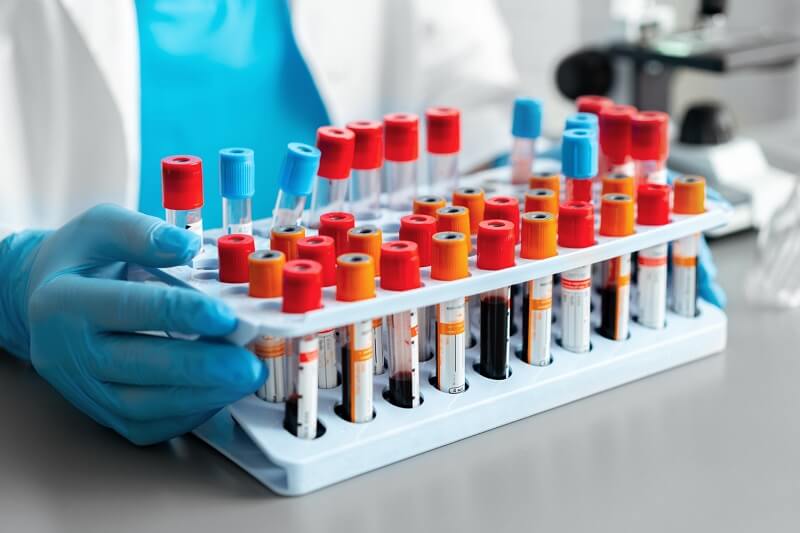
The female urogenital smear, often called a “flora smear”, is the most commonly requested gynaecological test. It assesses the make-up of the vaginal flora and the degree of inflammation, and quickly detects common infections.
- Swab or discharge
- Microscopy and PCR
- No referral needed
- SampleSwab
- PreparationDepends on swab type
- PainNone or minimal
- ResultsDepends on the test
Understanding a flora smear
In a healthy woman the smear is dominated by lactobacilli (Döderlein bacilli), with few white cells and no harmful microbes. Smears are graded into four levels of cleanliness: grades I–II are normal, while III–IV indicate inflammation and disturbed flora requiring treatment.
The smear shows fungi in thrush, “clue cells” in bacterial vaginosis and trichomonads in trichomoniasis. It is taken during a gynaecological examination and often allows treatment to start the same day. In pregnancy it is checked regularly.
- yearly gynaecological check-up
- discharge, itching and unpleasant smell
- routine monitoring in pregnancy
- after antibiotic treatment
- before gynaecological surgery and procedures
Preparing for a swab
Swab results depend heavily on preparation. Follow the rules for your sample type:
- women, gynaecological swab: not during a period; avoid intercourse for 1–2 days and vaginal pessaries or douching for 2–3 days
- men, urethral swab: do not pass urine for 2–3 hours beforehand and avoid intercourse the day before
- throat and nose swabs: come in the morning before eating, without brushing teeth, rinsing the mouth or using nasal drops
- antibiotics and antiseptics change the result — tell the doctor if you are taking them
Microscopy and PCR methods
In microscopy the sample is stained with a special dye and examined under a microscope: the number of white cells shows the degree of inflammation, while epithelial cells and the make-up of the flora show whether things are normal. The method is fast and affordable and helps detect many infections.
PCR (polymerase chain reaction) detects the genetic material of microorganisms and measures their amount. It finds organisms that cannot be seen under the microscope or grown in culture. Doctors often combine both methods to get a full picture.
How to understand the result
The report shows a reference range (normal range) next to each value. It can differ between laboratories, test methods, ages and sexes, so comparing your result with another laboratory’s range can be misleading.
A slight deviation in one value is not always a sign of disease: it may depend on diet, medicines, exercise or the time the sample was taken. The final conclusion is made by a doctor, taking into account your symptoms, examination and other tests.
The laboratory at Doctor Hasan Medical Center
Samples are taken in the clinic itself, and you can see a doctor in the same building about the result:
- tests can be done without a referral
- single-use sterile supplies are used
- consultation with a physician, gynaecologist, urologist, endocrinologist or paediatrician about the result
- please check the turnaround time with the administrator
📖 Related article: Vaginitis and Discharge in Women: Causes and Treatment
Frequently asked questions
Is taking a swab painful?
Do I need a doctor’s referral?
When will the result be ready?
Doctors who provide this service


Choose a convenient time or call us — our administrator will answer all your questions.
Other services in this area
- Discharge analysis (smear microscopy)
- Gynaecological smear for Leptothrix
- Throat swab for Leptothrix
- Hormonal colpocytology
- Cervical canal smear microscopy
- Three-site urogenital smear microscopy
- Urogenital smear (men)
- General examination of urethral discharge
- Femoflor Screen (female flora PCR)
- Androflor (male flora PCR)
- Nasal smear for eosinophils
- All clinic services →
Important: the information on this page is for general guidance and does not replace an examination by a doctor. A specialist decides whether a test or treatment is needed.
📞 +998 95 146 00 72 · +998 95 146 00 72
✉️
🌐 Instagram · Telegram · Facebook · YouTube · TikTok