All services
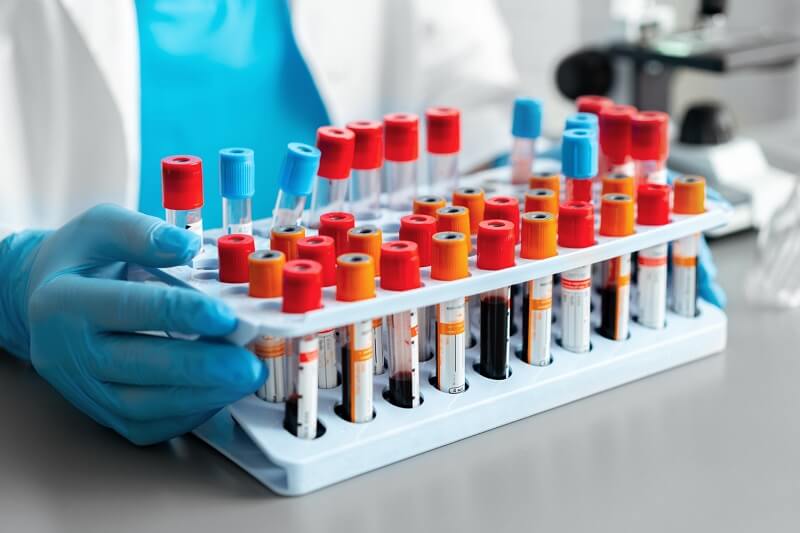
Vitamin D3 (25-OH), CLIA method in Tashkent
Vitamin D is needed for calcium absorption, strong bones, muscle function and immunity. The test measures 25-OH vitamin D in the blood — the value that best reflects the body’s stores.
- Blood from a vein or finger
- Morning, fasting
- No referral needed
- SampleBlood
- PreparationFast for 8–12 hours
- Best timeMorning 8:00–11:00
- ResultsDepends on the test
How vitamin D deficiency is identified
Vitamin D is made mainly in the skin under sunlight, so deficiency is common in people who spend a lot of time indoors, wear covering clothing or get little sun in winter. According to endocrine society guidance, a level below 20 ng/mL is deficiency, 20–30 ng/mL is insufficiency and 30–60 ng/mL is optimal.
Deficiency shows as bone pain, muscle weakness, tiredness, frequent colds, rickets in children and a risk of osteoporosis in adults. The treatment dose is chosen based on the result and checked with a repeat test after 2–3 months — too much vitamin D is also harmful.
- tiredness, bone and muscle pain
- osteoporosis risk and the menopause
- frequent colds
- pregnancy and breastfeeding
- monitoring vitamin D treatment dose
How to prepare for a blood test
Proper preparation makes the result more reliable and reduces the need to repeat the test:
- do not eat for 8–12 hours; still water is allowed
- avoid alcohol, fatty food and heavy exercise the day before
- do not smoke for 1 hour before the test
- tell the staff about any medicines you take — some affect the result
- sit quietly for 10–15 minutes after arriving
What can affect the result
Blood composition changes during the day and with lifestyle. To make repeat tests comparable, it is best to have them under the same conditions — ideally in the same laboratory and at the same time of day.
- a recent infection or fever
- lack of sleep and strong anxiety
- X-rays, physiotherapy and other procedures — have the test before them
- the day of the menstrual cycle in women
- a tourniquet left on for a long time before the sample is taken
How to understand the result
The report shows a reference range (normal range) next to each value. It can differ between laboratories, test methods, ages and sexes, so comparing your result with another laboratory’s range can be misleading.
A slight deviation in one value is not always a sign of disease: it may depend on diet, medicines, exercise or the time the sample was taken. The final conclusion is made by a doctor, taking into account your symptoms, examination and other tests.
The laboratory at Doctor Hasan Medical Center
Samples are taken in the clinic itself, and you can see a doctor in the same building about the result:
- tests can be done without a referral
- single-use sterile supplies are used
- consultation with a physician, gynaecologist, urologist, endocrinologist or paediatrician about the result
- please check the turnaround time with the administrator
📖 Related article: Vitamin D Deficiency in Adults: Symptoms, Testing and Dosage
Frequently asked questions
How should I have the test if I take regular medicines?
Do I need a doctor’s referral?
When will the result be ready?
Doctors who provide this service


Choose a convenient time or call us — our administrator will answer all your questions.
Other services in this area
- Direct (conjugated) bilirubin
- Indirect (unconjugated) bilirubin
- Gamma-glutamyl transferase (GGT)
- Creatine kinase-MB (CK-MB), CLIA method
- Blood chloride
- Haemoglobin concentration (HGB)
- Folic acid (vitamin B9)
- All clinic services →
Important: the information on this page is for general guidance and does not replace an examination by a doctor. A specialist decides whether a test or treatment is needed.
📞 +998 95 146 00 72 · +998 95 146 00 72
✉️
🌐 Instagram · Telegram · Facebook · YouTube · TikTok