Useful articles
Kidney Sand and Urine Crystals: Oxalate, Urate, Phosphate
Kidney sand means tiny crystals, no more than a few millimetres across, that collect in the drainage cups (calyces) of the kidney, while urine crystals (crystalluria) are the oxalate, urate or phosphate crystals reported on a urine test. Finding crystals in a single sample is usually linked to drinking too little, to diet or to hot weather, and on its own it is not a disease. But if crystals keep appearing or sand is seen on ultrasound, the risk of kidney stones is raised. Below we cover crystal types, tests, fluids and diet.
- What kidney sand and urine crystals are
- Why crystals form: causes and risk factors
- Oxalate, urate and phosphate: a table of crystal types
- How sand differs from a stone, and its symptoms
- When to seek urgent help
- Diagnosis: urine tests, ultrasound and further tests
- Treatment: fluids, diet and medicines
- Frequently asked questions
- At Doctor Hasan Medical Center
What kidney sand and urine crystals are
Urine normally carries calcium, oxalate, uric acid and phosphates in solution. When urine becomes concentrated or its acidity (pH) changes, they come out as crystals — the lab report mentions “salts” or “amorphous salts”. Particles of up to 1–3 millimetres in the kidney may be described on ultrasound as “microliths” or “sand”. Keep in mind that:
- healthy people also have crystals in their urine from time to time;
- if a sample stands for a long time or cools down, crystals can form in the container itself;
- not every bright spot on ultrasound is sand — sometimes it is calcium deposited in the kidney papillae or in a blood vessel wall.
Why crystals form: causes and risk factors
The main cause is concentrated urine. In hot summers people sweat a lot but do not drink enough, which is why crystalluria and kidney stones are common in our region. Other factors include:
- diet — a lot of salt, red meat and processed meats, sugary fizzy drinks, too few vegetables and fruit;
- excess weight, diabetes and gout — uric acid handling is disturbed and urine becomes more acidic;
- bowel disease — chronic diarrhoea and poor absorption increase the amount of oxalate taken up into the blood;
- urinary infection — some bacteria make urine alkaline, which favours phosphate crystals;
- family history and certain medicines — stones in relatives, long-term use of some drugs.
Oxalate, urate and phosphate: a table of crystal types
Dietary advice depends on the type of crystal, so no single “kidney diet” suits everyone:
| Crystal type | When and why it forms | Food and drink advice |
|---|---|---|
| Calcium oxalate (the most common) | Low fluid intake, a lot of salt and animal protein, oxalate-rich foods, bowel disease | Drink more, eat less salt; have spinach, sorrel, cocoa, nuts and strong tea in moderation; do not give up dairy foods |
| Urates (uric acid salts) | Acidic urine, a lot of meat and offal, beer and other alcohol, sugary drinks, gout, excess weight | Limit red meat, liver and other offal, beer and fructose-sweetened drinks; eat more vegetables and fruit; aim for a healthy weight |
| Phosphates (amorphous phosphates, triple phosphate) | Alkaline urine; often after meals or with a diet rich in plant and dairy foods; triple phosphate is often a sign of infection | Check for and treat infection; avoid drinking large amounts of alkaline mineral water; eat a balanced diet |
Taking large amounts of vitamin C on your own can also increase oxalate in the urine.
How sand differs from a stone, and its symptoms
Sand and stones are different stages of the same process. Tiny particles usually cause no symptoms and pass unnoticed in the urine. If they clump together and grow, a kidney stone forms. When sand is passing, you may notice:
- a dull ache in the lower back or side, sometimes spreading to the lower abdomen;
- burning when passing urine and a frequent urge to go;
- cloudy urine or fine gritty particles in it;
- a pinkish tinge from a trace of blood (see our article on blood in the urine).
When to seek urgent help
In the following situations do not wait — call an ambulance or go to the nearest urology department:
- severe back pain that does not ease after a painkiller (renal colic);
- back pain with fever and shivering — possibly infection in a blocked kidney, that is, acute pyelonephritis;
- repeated vomiting or being unable to keep fluids down;
- passing very little urine or none at all;
- pain in someone with a single kidney, during pregnancy or with chronic kidney disease.
Diagnosis: urine tests, ultrasound and further tests
Crystals on a single urinalysis are not yet a diagnosis. The doctor usually proceeds as follows:
- a repeat test — a midstream sample of morning urine is collected in a clean container and taken to the laboratory within 1–2 hours; keep to your usual eating and drinking pattern on the days before;
- urine pH, white cells and bacteria — to judge the crystal type and rule out infection;
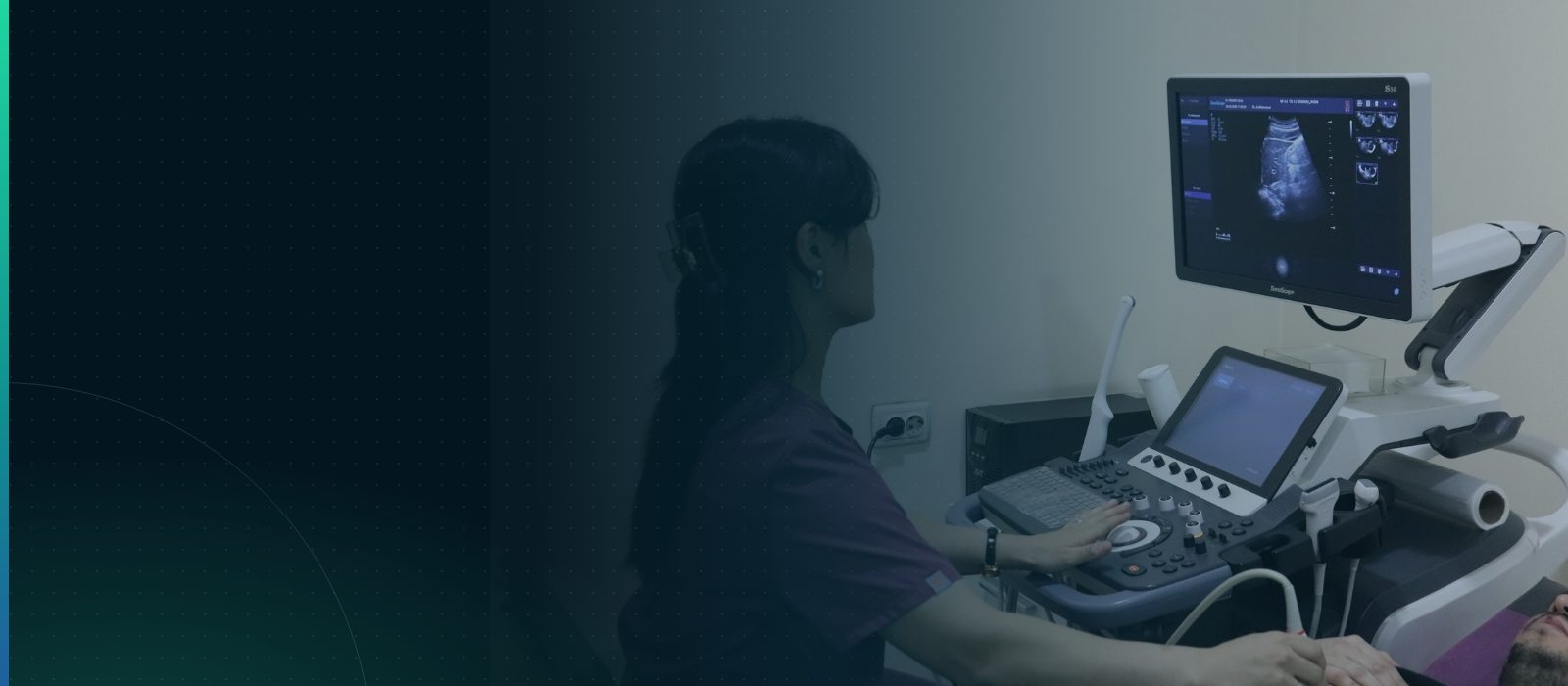
- kidney ultrasound — shows sand, stones and any sign of blocked drainage (dilated calyces); read about preparation in our kidney ultrasound article;
- blood tests — uric acid, creatinine and calcium;
- a 24-hour urine collection — for repeated stones or high risk, to find a metabolic cause.
If a stone passes, keep it: analysing it helps to tailor the diet. Computed tomography is sometimes recommended.
Treatment: fluids, diet and medicines
The basis of treating crystalluria and kidney sand is not tablets but everyday habits:
- enough fluid — usually 2.5–3 litres a day, more in hot weather; aim for pale yellow urine; with heart or kidney failure, agree the amount with your doctor;
- mostly plain water — rather than sugary drinks and boxed juices;
- less salt — salty food increases calcium in the urine;
- a diet matched to the crystal type — see the table above; a strict “ban everything” diet is not needed.
Medicines depend on the crystal type: citrate preparations, drugs that lower uric acid, or thiazide diuretics when urinary calcium is high. Uric acid stones can dissolve once urine acidity is corrected; oxalate stones do not. “Sand-flushing” herbal teas have no proven benefit. Do not take medicines on your own — they are prescribed by a doctor.
Frequently asked questions
My urine test showed crystals — does that mean I have a kidney stone?
No. Crystals on a single test do not mean you have a stone. They appear in healthy people too after drinking little, after meals or when a sample has stood for a long time. The doctor usually suggests adjusting your fluid intake and repeating the test. If crystals keep appearing or you have symptoms, a kidney ultrasound and blood tests are arranged.
Can herbal teas “flush out” kidney sand?
There is no scientific proof that diuretic herbs or “anti-sand” teas work. If there is a larger stone in the kidney, they may move it and cause severe colic. The most reliable approach is to drink enough plain water through the day and eat according to your crystal type. Agree any remedy with a urologist first, including herbal ones.
How much water should I drink if I have kidney sand?
Most people need 2.5–3 litres of fluid a day so that they pass at least 2–2.5 litres of urine. In hot weather, during sport or physical work you need more. The simplest check is the colour of your urine: it should stay pale yellow through the day. People with heart or kidney failure must agree their fluid intake with a doctor.
If oxalate is found, should I stop eating dairy?
No, that is a common mistake. Calcium eaten with food binds oxalate in the gut and reduces how much reaches the urine. Sharply limiting calcium actually increases the risk of oxalate stones. It is better to eat dairy in normal amounts, cut down on salt and avoid large amounts of spinach, sorrel, cocoa and strong tea.
At Doctor Hasan Medical Center
At Doctor Hasan Medical Center you can book a urologist-andrologist consultation if crystals have been found in your urine or an ultrasound report mentions “sand”. The necessary tests are available on site: urinalysis, blood tests and a kidney and bladder ultrasound. Several of these steps can be completed in one visit. The doctor explains the results in plain language and draws up an individual plan for fluids, diet and follow-up tests. If a further test or a procedure for a stone is needed, the doctor will discuss the next steps and options. Please bring previous test results and ultrasound reports, and a list of the medicines you take.
Important: this article is for information only and does not replace a medical consultation. See a specialist for an accurate diagnosis and treatment plan.
Our doctors in this field