Useful articles
Pre-eclampsia: High Blood Pressure in Pregnancy Explained
A rise in blood pressure in the second half of pregnancy is not simply tiredness or stress. Pre-eclampsia develops after the 20th week and is defined by a blood pressure of 140/90 mmHg or higher together with protein in the urine or signs that internal organs are under strain. It affects roughly one in 20 to 25 pregnancies and, if not monitored, can be dangerous for both mother and baby. The reassuring part is that regular check-ups and a few simple tests catch it early. This article explains what pre-eclampsia is, who is at risk, which symptoms need attention and which mean calling an ambulance, how it is diagnosed, how the timing of delivery is decided, and what to watch for after the birth.
What pre-eclampsia is
Pre-eclampsia is a complication of pregnancy rooted in the placenta: its blood vessels do not form fully in the early weeks. In response, the mother’s blood vessels tighten, blood pressure climbs, and the kidneys, liver, brain and clotting system may all be affected. Two conditions are needed for the diagnosis: a blood pressure of 140/90 or higher recorded twice at least four hours apart, plus protein in the urine or other evidence of organ involvement, such as a falling platelet count, raised liver enzymes or creatinine, persistent headache or visual disturbance. If blood pressure was already high before pregnancy, this is chronic hypertension; pre-eclampsia can develop on top of it, so these women need closer follow-up.
Who is at higher risk
Pre-eclampsia can occur in any pregnancy, but certain factors raise the likelihood considerably:
- a first pregnancy, or a first pregnancy with a new partner;
- age over 35 or under 18;
- twins or other multiple pregnancies;
- chronic hypertension or kidney disease;
- diabetes, whether pre-existing or gestational diabetes;
- obesity, with a body mass index above 30;
- pre-eclampsia in a previous pregnancy, or in a mother or sister;
- autoimmune disease, IVF pregnancy, or a gap of more than 10 years between pregnancies.
Where such factors are present, the doctor draws up an individual monitoring plan from the first trimester.
Symptoms: which swelling is a warning
Pre-eclampsia often begins silently, and the raised pressure is first noticed at a routine appointment. That is why checking blood pressure and testing urine at every visit is not a formality. When symptoms do appear, they typically include:
- a severe, persistent headache that ordinary painkillers do not relieve;
- visual disturbance: floaters, flashing lights or blurred vision;
- pain under the right ribs or in the upper abdomen, from stretching of the liver capsule, often mistaken for indigestion;
- nausea and vomiting in the second half of pregnancy;
- breathlessness and passing less urine than usual.
Swelling deserves a separate word. Puffy feet and ankles that worsen in the evening and settle overnight are common in pregnancy and harmless on their own. The warning pattern is swelling of the face, eyelids and hands present on waking, a ring that suddenly feels tight, and weight gain of more than 1 to 1.5 kg in a week. This points to fluid building up in the tissues and calls for an immediate check of blood pressure and urine protein.
When to call an ambulance: eclampsia and HELLP
Do not wait for your next appointment if: blood pressure reads 160/110 or higher; a severe headache comes with visual disturbance; there is sharp pain under the right ribs or in the upper abdomen; breathlessness starts suddenly; the baby’s movements become noticeably fewer; or a seizure occurs.
Eclampsia is a seizure on the background of pre-eclampsia, caused by intense spasm of the brain’s blood vessels, and it is an immediate threat to the lives of mother and baby. HELLP syndrome takes its name from three changes: haemolysis (breakdown of red blood cells), elevated liver enzymes and low platelets. In plain terms, the liver and the clotting system begin to fail. It often starts with pain under the right ribs, nausea and marked weakness, and blood pressure is not always dramatically high. Both conditions are managed only in hospital.
Diagnosis: which tests are needed
Measuring blood pressure correctly matters: after five minutes of sitting quietly, arm at heart level, with a cuff that fits the upper arm. A single high reading is not a diagnosis; it is repeated after four hours, and a home blood pressure diary helps the doctor see the full picture.
| Test | Why it is done |
|---|---|
| Blood pressure measurement | The key criterion: from 140/90 monitoring, from 160/110 an emergency |
| Urine protein (dipstick, 24-hour collection or protein-to-creatinine ratio) | Shows kidney involvement |
| Full blood count | Platelets and haemoglobin: signs of HELLP |
| ALT, AST, bilirubin | Liver function |
| Creatinine, uric acid | Kidney function |
| Fetal ultrasound and Doppler | Baby’s growth, fluid volume, blood flow in the placenta and umbilical cord |
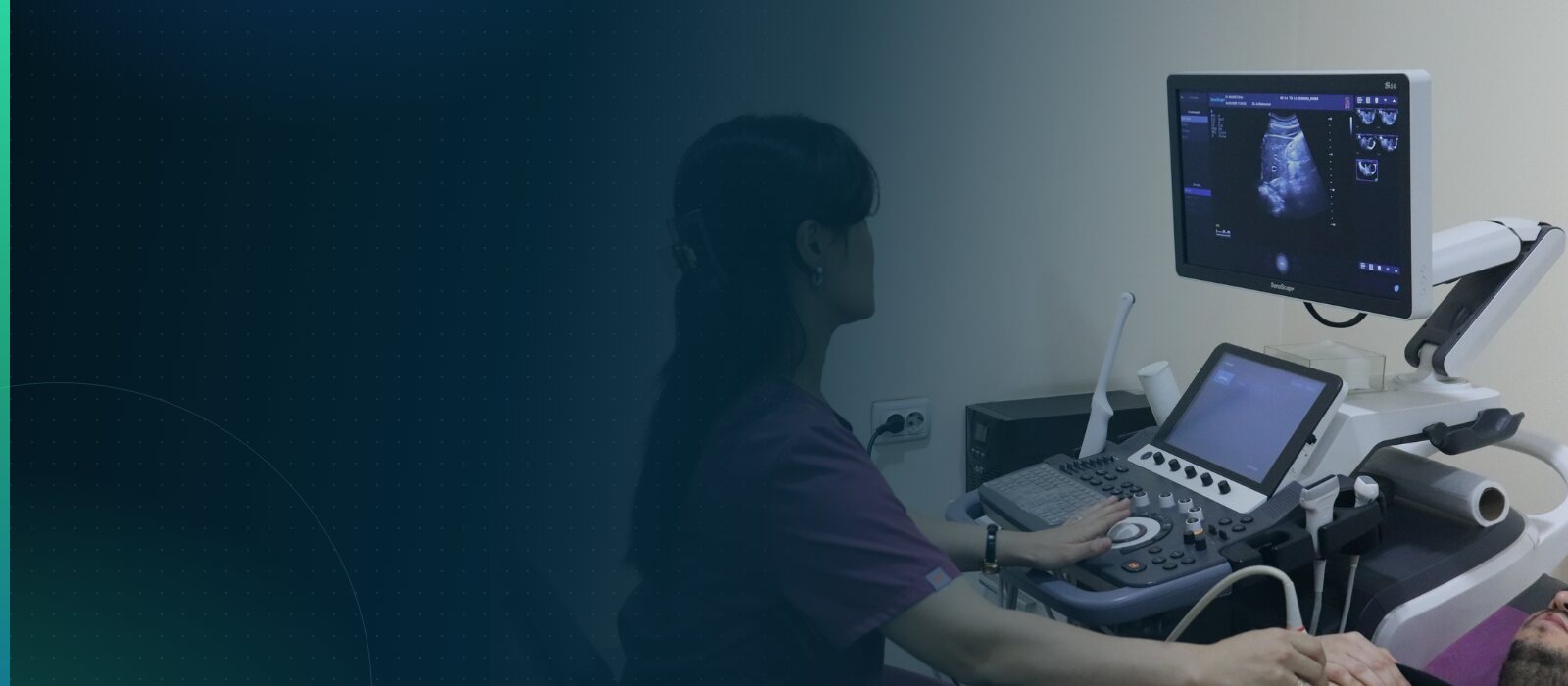
Ultrasound in pregnancy shows whether the baby is keeping up with expected growth, while Doppler ultrasound of the vessels measures resistance to blood flow in the uterine and umbilical arteries, one of the earliest markers of a struggling placenta. As early as the first trimester, pregnancy screening can estimate an individual risk of pre-eclampsia by combining blood pressure, medical history, uterine artery Doppler and blood markers.
Monitoring and principles of treatment
The only way to resolve pre-eclampsia completely is delivery, because the cause lies in the placenta. The doctor balances the mother’s safety against the time the baby needs to mature. In mild disease before 37 weeks, the woman is monitored closely as an outpatient: blood pressure, urine protein and blood tests weekly or more often, ultrasound with Doppler every two to three weeks. If pressure stays high, medicines that are safe in pregnancy are prescribed to keep it within a safe range rather than drive it to normal. Severe disease requires hospital care, seizure prevention and, before 34 weeks, medication to mature the baby’s lungs. When pre-eclampsia is found after 37 weeks, delaying birth is usually not advised.
On prevention. In women at high risk, low-dose aspirin from 12 to 16 weeks has been shown to reduce the chance of pre-eclampsia. This decision belongs to the doctor alone; aspirin should never be started on one’s own initiative. Adequate calcium in the diet, moderate physical activity and weight control also help, whereas sharply restricting salt or fluids is not recommended.
After the birth: follow-up and future risk
Blood pressure usually falls within a few days of delivery, but pre-eclampsia can appear or worsen during the first six weeks after birth. Check your pressure in the first 72 hours and again around days 7 to 10, and take any headache or visual change seriously. If pressure remains high 12 weeks after the birth, it is considered chronic hypertension and needs follow-up by a physician or cardiologist.
Women who have had pre-eclampsia carry roughly twice the lifetime risk of hypertension, coronary heart disease and stroke. This is not a reason for fear but a signal: pregnancy acted as a kind of stress test for the body. A yearly blood pressure check, glucose and cholesterol tests and attention to weight reduce that risk substantially. When planning another pregnancy, always tell your gynaecologist about the previous pre-eclampsia.
Frequently asked questions
When does pre-eclampsia start?
Usually after the 20th week of pregnancy, most often in the third trimester after 34 weeks. Less commonly it develops in the first six weeks after the birth. Early-onset pre-eclampsia, before 34 weeks, tends to be more severe and needs closer monitoring, which is why blood pressure and urine are checked at every visit from the second trimester onwards.
My feet are swollen. Is that pre-eclampsia?
Not necessarily. Swelling of the feet and ankles that worsens in the evening and settles overnight is common in pregnancy and, with normal blood pressure, not dangerous. What should prompt a check is swelling of the face, eyelids and hands, weight gain of more than 1 to 1.5 kg in a week, or swelling together with headache or raised blood pressure.
Can pre-eclampsia be cured with medication?
Medicines keep blood pressure within a safe range and prevent seizures, but they do not remove the cause, which lies in the placenta. Full recovery comes only after delivery. The doctor weighs the mother’s condition against the baby’s maturity and decides whether to continue monitoring or to proceed with delivery.
Will pre-eclampsia come back in my next pregnancy?
The risk is higher, especially if the previous episode started early or was severe, but many women go on to have an uncomplicated pregnancy. Tell your gynaecologist about it when planning: they will assess your risk, arrange blood pressure and weight monitoring and, if appropriate, prescribe low-dose aspirin from the 12th week.
At Doctor Hasan Medical Center
Within the gynaecology service, pregnant women have their blood pressure checked, urine and blood tests taken, and fetal ultrasound with Doppler performed in a single visit. For women with risk factors, the gynaecologist draws up a monitoring plan from the first trimester and, where needed, agrees a blood pressure strategy together with a cardiologist. After the birth, pressure and blood markers are reviewed again, and every result is explained in plain language. If your blood pressure has risen, or facial swelling or headaches are troubling you, do not wait: come for an assessment.
Important: this article is for information only and does not replace a medical consultation. See a specialist for an accurate diagnosis and treatment plan.
Our doctors in this field