


Useful articles
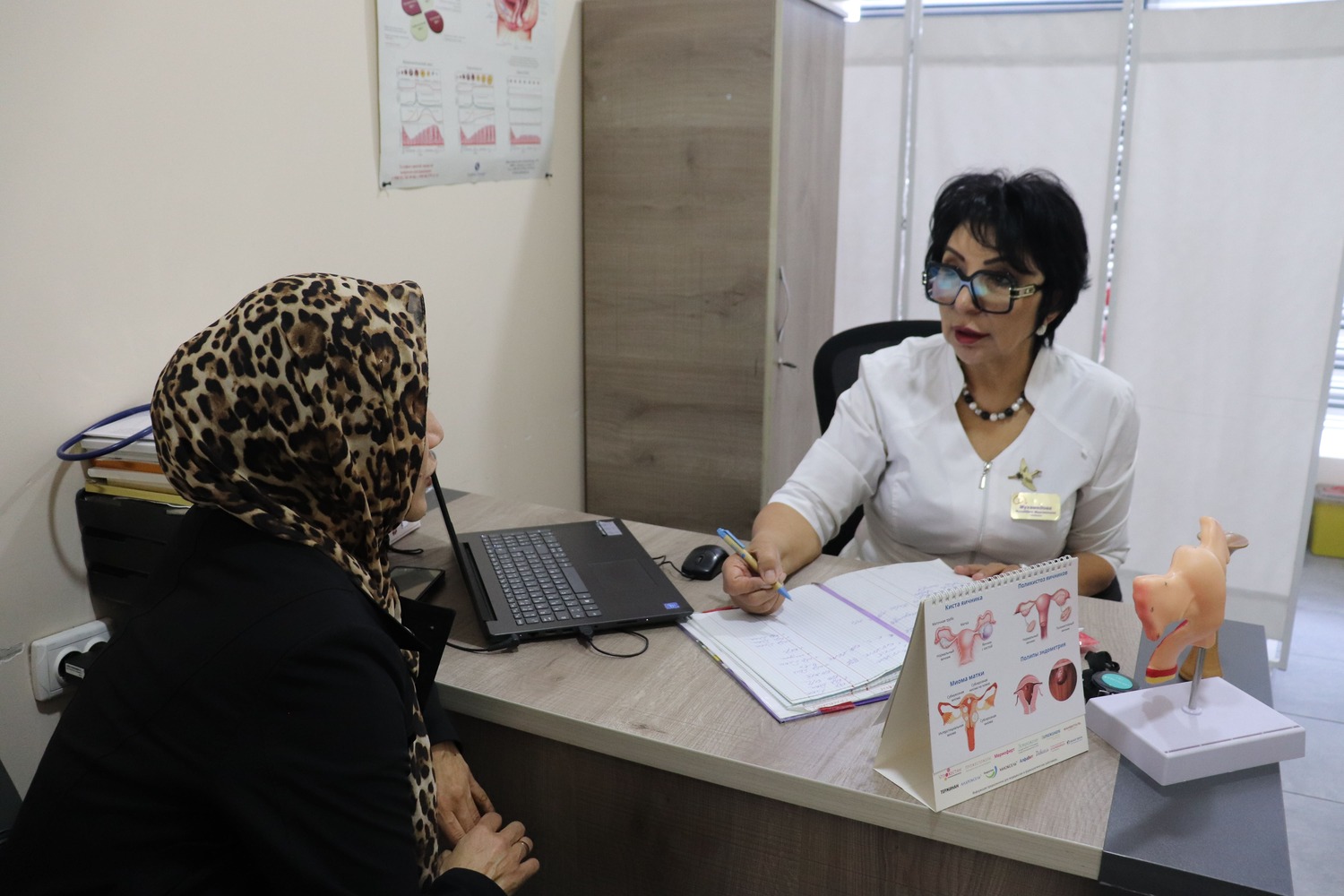
What Is Endometriosis and How Is It Treated?
Endometriosis is one of the most common gynecological conditions affecting women of reproductive age. The disease can significantly impact a woman's quality of life, causing chronic pain, menstrual irregularities, and fertility problems.
Early diagnosis and appropriate treatment are essential for preserving reproductive health and preventing potential complications.
What Is Endometriosis?
Endometriosis is a condition in which tissue similar to the endometrium (the lining of the uterus) grows outside the uterine cavity.
Endometrial-like tissue may be found in:
-
The ovaries;
-
The fallopian tubes;
-
The pelvic cavity;
-
The intestines or bladder;
-
In rare cases, other organs.
Like the uterine lining, these tissues respond to hormonal changes during the menstrual cycle, which can lead to inflammation, pain, scar tissue formation, and adhesions.
What Causes Endometriosis?
The exact cause of endometriosis remains unknown. However, several factors are believed to increase the risk of developing the condition.
These include:
-
Genetic predisposition;
-
Hormonal imbalances;
-
Immune system dysfunction;
-
Retrograde menstruation (when menstrual blood flows backward through the fallopian tubes into the pelvic cavity);
-
Certain congenital abnormalities of the reproductive system.
Symptoms of Endometriosis
Symptoms can vary greatly from one woman to another.
Common symptoms include:
-
Severe menstrual cramps;
-
Chronic pelvic pain;
-
Pain during sexual intercourse;
-
Bleeding between menstrual periods;
-
Heavy menstrual bleeding;
-
Pain during urination or bowel movements;
-
Infertility.
In some cases, endometriosis may develop without noticeable symptoms for many years.
Can Endometriosis Cause Infertility?
Yes. Endometriosis is considered one of the leading causes of female infertility.
The condition may contribute to:
-
Damage to the fallopian tubes;
-
Formation of adhesions and scar tissue;
-
Disruption of ovulation;
-
Reduced egg quality;
-
Difficulties with fertilization and embryo implantation.
For women planning a pregnancy, timely diagnosis and treatment of endometriosis are especially important.
How Is Endometriosis Diagnosed?
At Doctor Hasan Medical Center, modern diagnostic methods are used to identify endometriosis and assess its severity.
Diagnostic evaluation may include:
-
Gynecological consultation;
-
Pelvic ultrasound examination;
-
Laboratory testing;
-
Magnetic resonance imaging (MRI);
-
Diagnostic laparoscopy.
Laparoscopy is considered one of the most accurate methods for confirming the diagnosis of endometriosis.
How Is Endometriosis Treated?
Treatment depends on several factors, including the stage of the disease, symptom severity, patient age, and future pregnancy plans.
Medical Treatment
In many cases, conservative treatment is recommended.
Treatment options may include:
-
Hormonal medications;
-
Pain-relieving medications;
-
Anti-inflammatory drugs.
These therapies can help reduce symptoms and slow the progression of the disease.
Laparoscopic Treatment
Laparoscopic surgery is widely used to remove endometriosis lesions and adhesions.
Benefits of laparoscopy include:
-
Minimally invasive approach;
-
Small incisions;
-
Reduced postoperative pain;
-
Faster recovery;
-
Preservation of reproductive function.
For many women, laparoscopic treatment can improve fertility and increase the chances of a successful pregnancy.
Can Endometriosis Be Prevented?
There is no guaranteed way to prevent endometriosis. However, regular gynecological examinations can help detect the condition at an early stage.
Women are encouraged to:
-
Attend regular gynecological check-ups;
-
Monitor changes in their menstrual cycle;
-
Seek medical attention for persistent pelvic pain;
-
Undergo reproductive health evaluations when planning pregnancy.
Why Choose Doctor Hasan Medical Center?
Doctor Hasan Medical Center offers comprehensive diagnosis and treatment of endometriosis by experienced gynecologists specializing in women's reproductive health. The clinic utilizes modern diagnostic technologies and advanced minimally invasive surgical techniques, including laparoscopy.
Early diagnosis and individualized treatment can help reduce symptoms, preserve fertility, improve quality of life, and increase the likelihood of achieving a healthy pregnancy.