


Useful articles
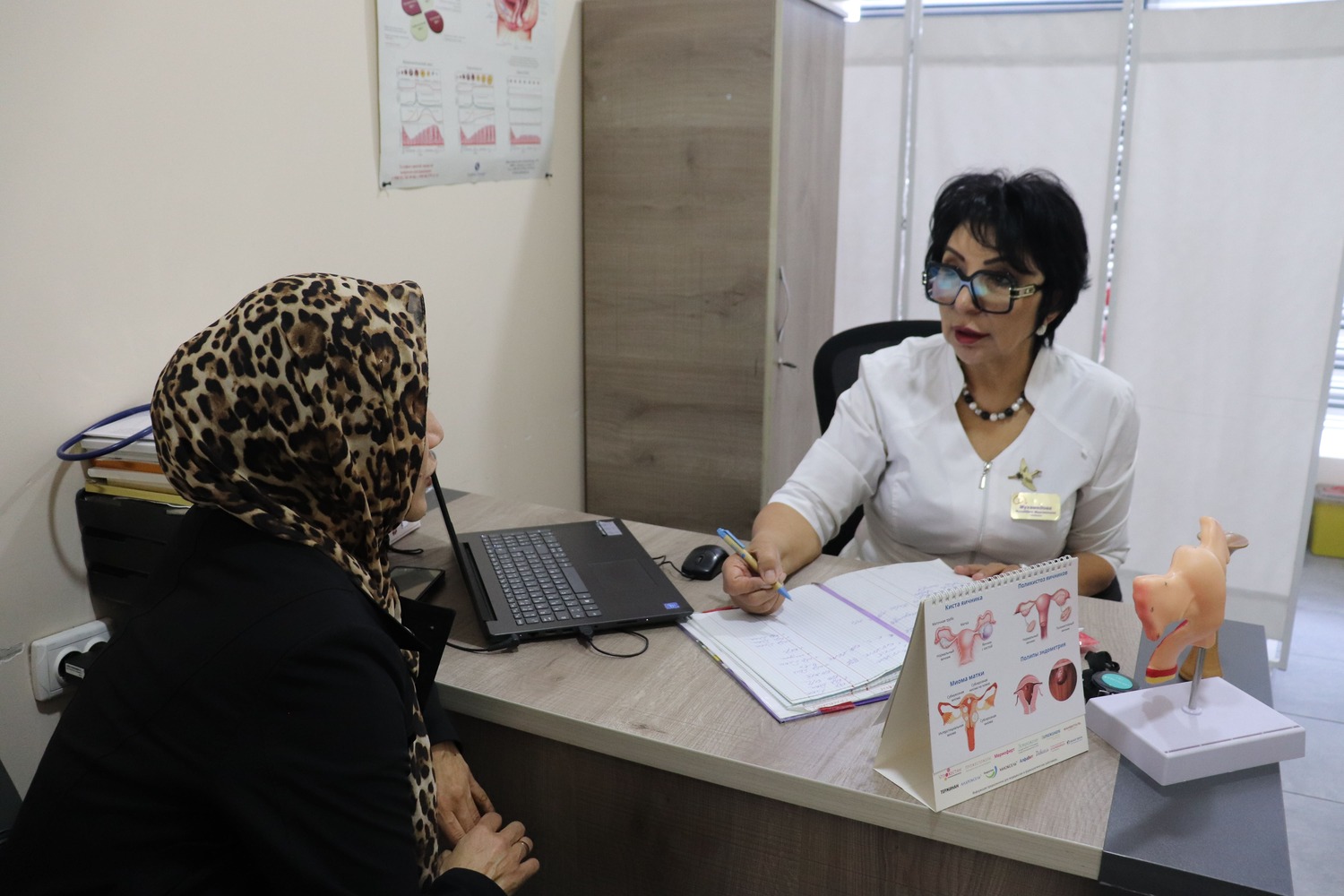
What Is Ovulation and How Can It Be Identified?
Understanding ovulation is essential for women who are planning a pregnancy. Ovulation is the stage of the menstrual cycle when a mature egg is released from the ovary and becomes available for fertilization. This period offers the highest chance of conception. Identifying ovulation accurately can significantly improve the likelihood of achieving pregnancy.
At Doctor Hasan Medical Center, modern diagnostic methods are used to assess reproductive health and determine ovulation with high accuracy.
What Is Ovulation?
Ovulation is the process during which a mature egg is released from the ovary. After its release, the egg travels into the fallopian tube, where it may meet a sperm cell and become fertilized.
If fertilization occurs, pregnancy begins. If fertilization does not take place, the egg breaks down, and the next menstrual cycle starts.
When Does Ovulation Occur?
In women with a regular 28-day menstrual cycle, ovulation usually occurs around the 14th day of the cycle.
However, every woman’s body is different, and the timing of ovulation can vary. In most cases, ovulation occurs approximately 12–16 days before the start of the next menstrual period.
Common Signs of Ovulation
Some women notice physical changes during ovulation.
Common signs include:
-
Increased amount of clear cervical mucus;
-
Mild pain or discomfort in the lower abdomen;
-
Increased sexual desire;
-
Breast tenderness;
-
Slight rise in basal body temperature;
-
Increased sensitivity to smells.
However, many women experience ovulation without any noticeable symptoms.
How Can Ovulation Be Identified?
There are several methods available for determining ovulation.
Ovulation Tests
Ovulation test kits available in pharmacies measure the level of luteinizing hormone (LH) in urine.
A sudden increase in LH levels indicates that ovulation is likely to occur within the next 24–36 hours. This is one of the most popular methods for tracking ovulation at home.
Basal Body Temperature Monitoring
Basal body temperature is measured immediately after waking up in the morning.
After ovulation, the hormone progesterone causes a slight increase in body temperature. Recording temperature changes daily can help identify the ovulation period.
Menstrual Cycle Tracking
Women with regular menstrual cycles can estimate when ovulation is likely to occur by tracking their cycle dates.
However, this method provides only an approximate estimate and may not always be accurate.
Ultrasound Examination
One of the most accurate methods for determining ovulation is follicular monitoring using ultrasound.
This examination allows the physician to observe follicle development within the ovaries and identify the exact timing of egg release.
Can Ovulation Be Absent?
Yes, ovulation may not occur in some cases. This condition is known as anovulation.
Common causes of anovulation include:
-
Polycystic ovary syndrome (PCOS);
-
Hormonal imbalances;
-
Thyroid disorders;
-
Severe stress;
-
Excess weight or significant weight loss;
-
Certain medications.
The absence of regular ovulation can make conception more difficult.
The Most Fertile Time for Pregnancy
Sperm cells can survive within the female reproductive tract for several days, while an egg remains viable for fertilization for approximately 12–24 hours after ovulation.
For this reason, the most fertile period is generally considered to be the 3–5 days before ovulation and the day of ovulation itself.
When Should You Consult a Specialist?
A consultation with a gynecologist or reproductive specialist is recommended if:
-
Menstrual cycles are irregular;
-
Pregnancy does not occur after a prolonged period of trying;
-
There is a suspicion of ovulation disorders;
-
Hormonal abnormalities are present;
-
Polycystic ovary syndrome has been diagnosed.
Why Choose Doctor Hasan Medical Center?
Doctor Hasan Medical Center offers comprehensive reproductive health evaluations using advanced diagnostic technologies. Experienced gynecologists and reproductive specialists provide individualized assessment and treatment plans tailored to each patient’s needs.
Accurate ovulation detection is an important step in pregnancy planning and reproductive health management. Early evaluation and professional guidance can help improve fertility and increase the chances of successful conception.